Monday, March 16, we will meet online.
Dear friends,
This week, we will meet Monday evening, March 16, from 7-8:30PM ET online; Wednesday morning, March 18, from 7-8AM ET in person at our meditation space (3812 Northampton Street NW); and Friday, March 20, 12-1PM ET online.
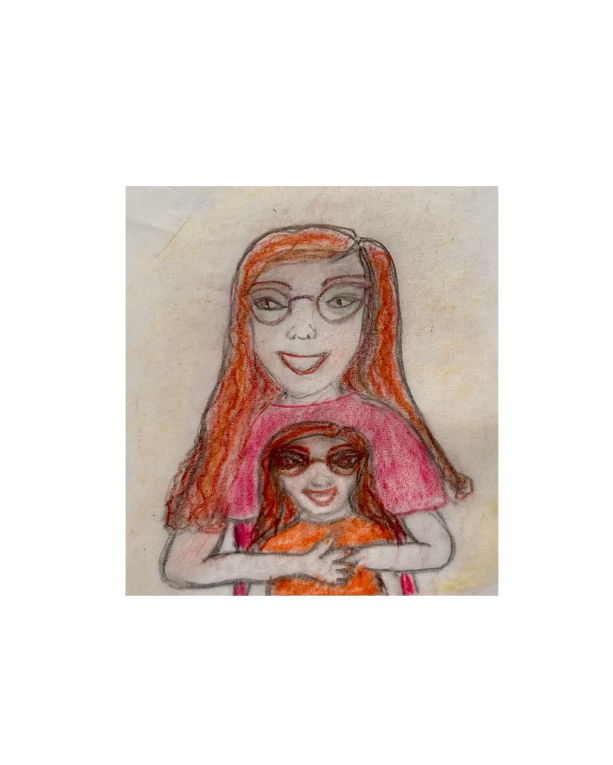
On Monday night, Magda will guide us through a meditation for healing our inner child and strengthening our connection with our ancestors. She will share her insights on the topic.
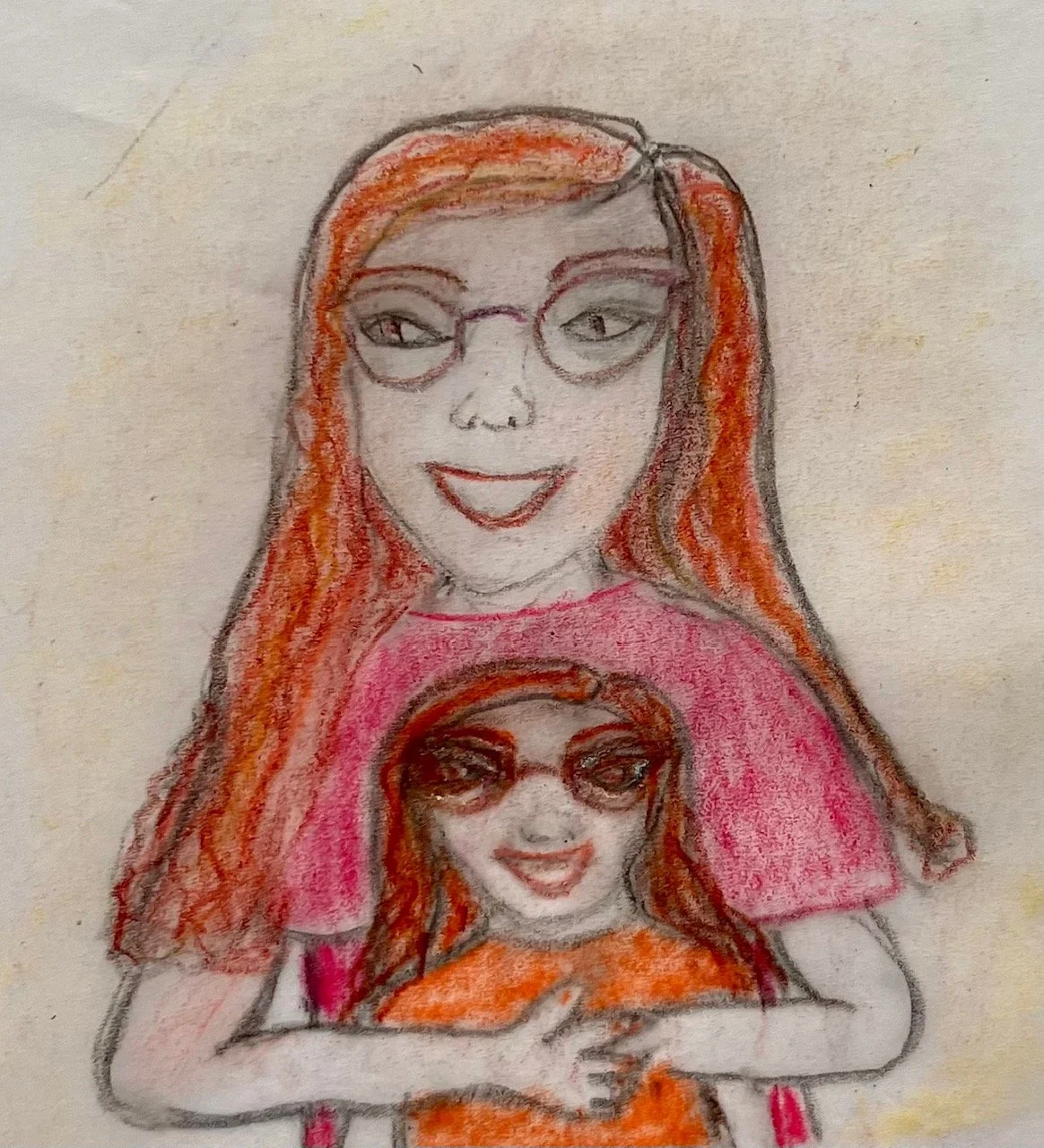
Thầy’s teachings help my inner child heal. They also bring healing to my relationship with my ancestors and allow my ancestors to heal through me.
I have noticed how much of the suffering we experience as children comes from our parents and their parents. During dharma sharing with my sangha and with my Plum Village retreat families, I often hear people lamenting their relationships with one or both parents. I have also heard monastics speak about similar difficulties. Often, however, they conclude their sharing by expressing how their meditation practice has helped transform and release that suffering. For instance, when Brother Pháp Dung spoke at the Huế retreat for the pilgrims who attended Thích Nhất Hạnh’s ashes ceremony, he shared how his practice helped him heal his anger toward his father.
During the testimonials for Thầy’s continuation ceremony, Abbot Pháp Hữu offered the following words of gratitude to Thầy: “You see the scared child in me. You have healed me.” I am sure this message resonated deeply with the lay pilgrims. In my own case, I found Thầy’s teachings during a time of great suffering in my life. Even though the conditions that caused my pain remained, I still chose the path of healing.
I have known many people who blame their ancestors—especially one or both parents—for their misfortunes. Before becoming aware of Thầy’s teachings, I had no idea there was a guided meditation dedicated to forgiving our ancestors. In this meditation, we visualize them as children who were harmed and then connect those children to the child within us. The first time I was guided through this practice, at Plum Village, I was deeply touched. When I visualized my mother as a scared and vulnerable child, I became very emotional.
At the retreat in Huế, I experienced an especially powerful guided meditation. The sister leading the practice invited us to visualize our fathers as five-year-olds. I began by imagining my father as a little boy shortly after one of the worst hurricanes in Puerto Rico’s history. Eventually, I saw him as the adult I knew and remembered, particularly during the final period of his physical life. I saw him sitting at the dinner table, waiting for us to begin the meal, saying “Buen provecho” before we ate. I felt him caressing my head whenever he passed by me. I heard and felt his belief in me when he said, “Tú puedes ser la gobernadora de Puerto Rico” (You can be the governor of Puerto Rico).
His words, “Tú naciste el día de la paz” (You were born on the day of peace), spoken as he explained my middle name, de la Paz, filled me with joy, peace, and hope; this helped me find my true aspiration.
I saw his satisfied face when we visited Spain, especially Basque San Sebastián, the land of our ancestors. I saw his decent and kind smile, his far away gaze. I saw him making coffee for my mother. I heard him gently scolding me when he heard me speak ill of another person. I saw him cry for the first time at his mother’s deathbed. I saw him complaining of pain, days before he continued. I saw him holding a cross as he spoke to me about his faith in Jesus Christ, and another cross resting in his coffin.
Through all of these visions and sensory experiences, I believed I was hugging my father—but I soon realized that I was hugging myself. In that moment, I understood more clearly than ever that my father is alive in me, just as my inner child is alive in me. Our inner children continue embracing one another.
Thầy’s teachings guide me to listen to the suffering of my inner child: to embrace and accept it, to understand where it comes from, to transform and release it, and then to fill the empty space with positive seeds. His teachings also guide me to inter-be with the most vulnerable parts of my ancestors—the parts that make them human, but that may also have caused much of their suffering as well as mine. Through this practice, I learn to forgive them and to forgive myself.
At the Master’s Courtyard in the Root Temple, I sat in front of Thầy’s shrine. With deep reverence and gratitude, I thanked Thầy for my healing. I also sent him metta—for his own healing, and for the healing of his ancestors through him.
Questions for Reflection:
How does my mindfulness practice help me heal?
How do I transform intense negative emotions into positive emotions?
How do I perceive my connection with my ancestors?
How does my mindfulness practice help me feel more connected to my ancestors and other blood relatives?
Have I forgiven some of my ancestors? How did I learn to forgive them?
How do I heal the child in me and the child in my ancestors?